
Services
Hazardous waste
The category “hazardous waste” mainly includes waste generated by specific non-household users, such as industrial waste from tanning and textile production, oil refining, the photographic or metallurgical industries, or other chemical processes.
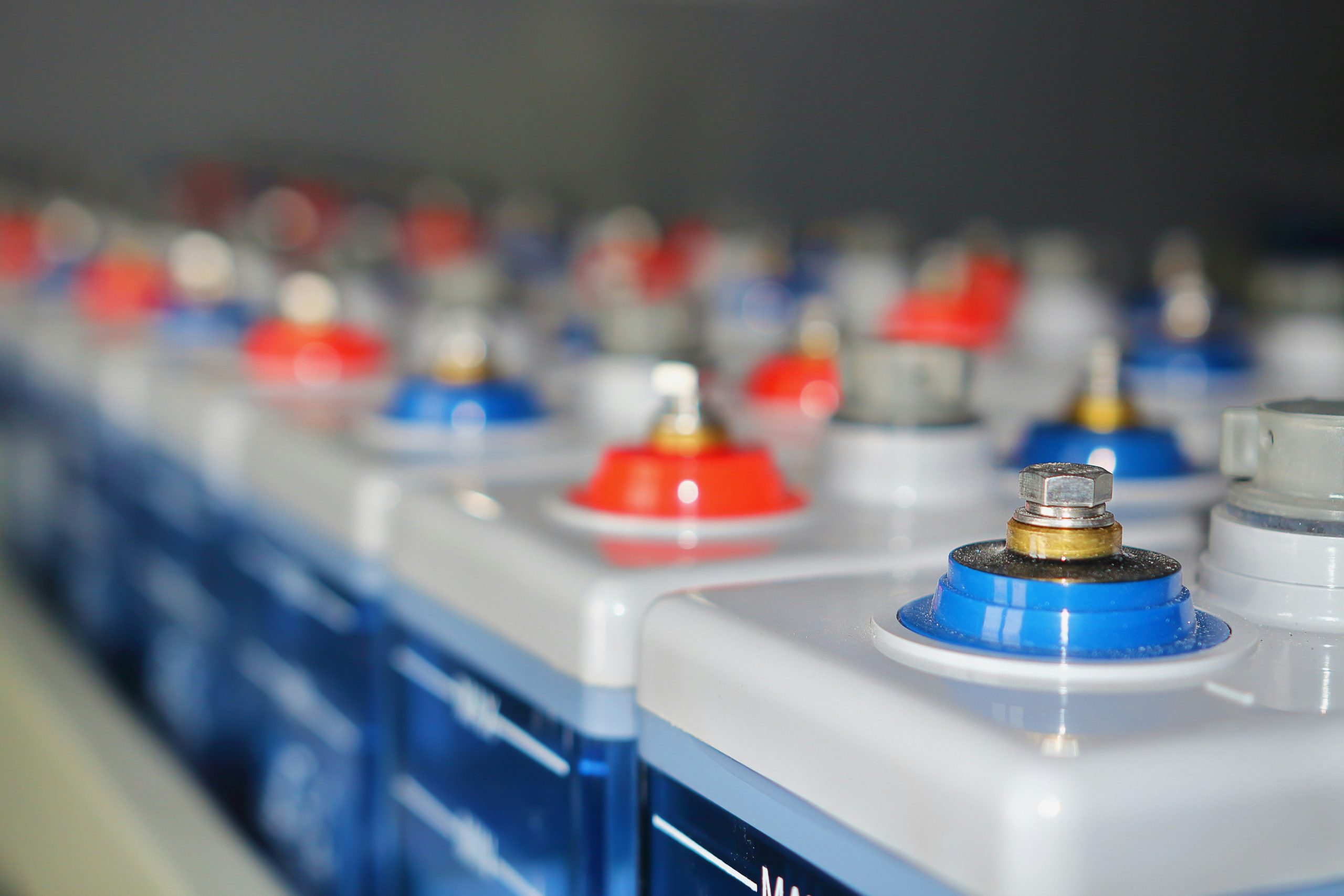
However, this category also covers waste of domestic origin, produced by households, such as used batteries, expired medicines, solvents and used oils. Due to their nature and composition, this waste must never be disposed of in the residual waste bin but taken to the Ecocentri or Municipal Collection Centres, where it is collected free of charge.
The most common types of hazardous household waste include:
- Paint cans, varnishes, glues and solvents
- Used batteries (AA, button cell)
- Used car batteries
- Expired medicines and containers with medicine residues
- Ink and toner cartridges
- Spray cans
- Household chemical solvents (e.g. trichloroethylene)
- Household pesticides, insecticides and rodenticides
- Used cooking oil
- Used motor oil
- Oil filters
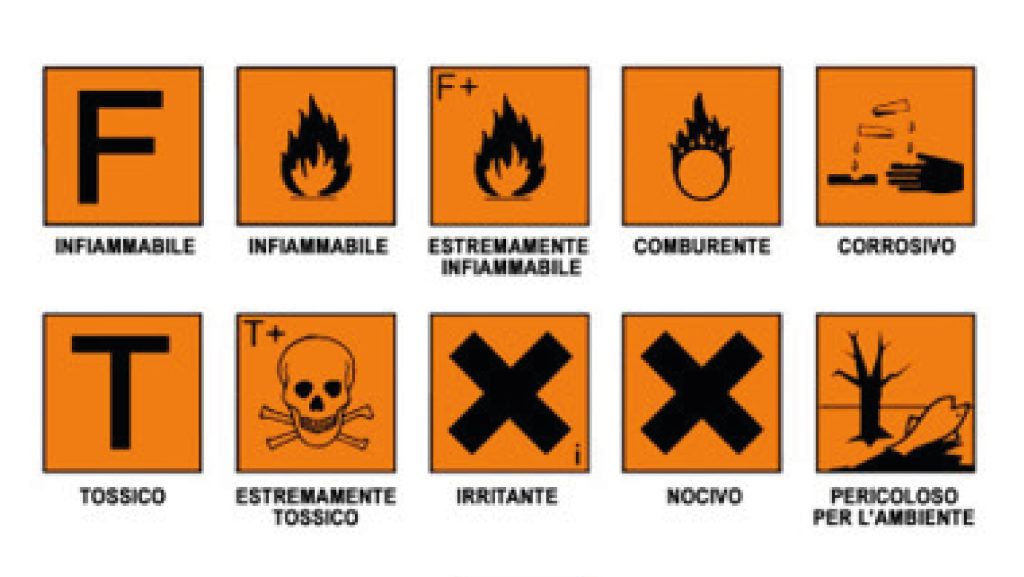
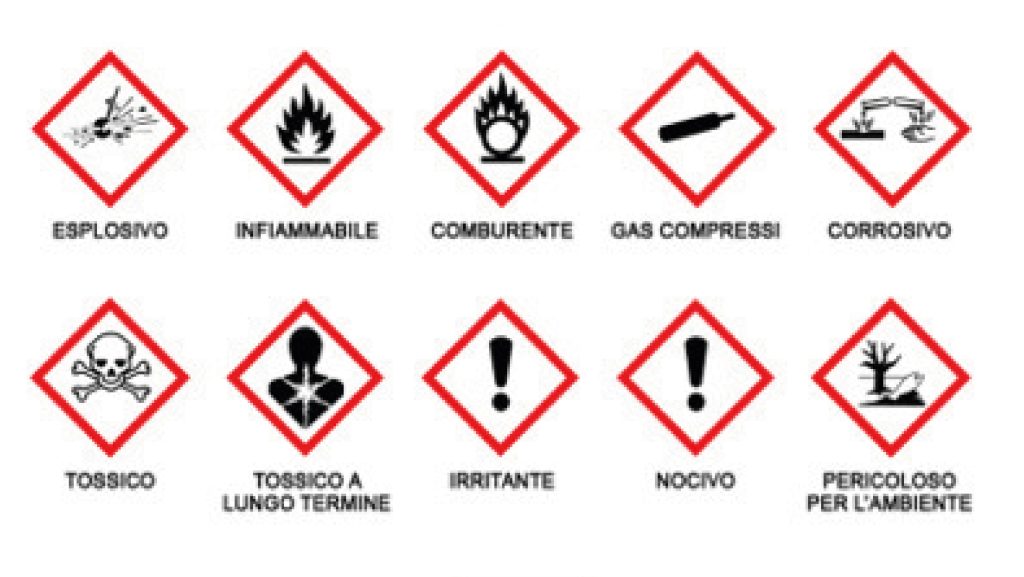
The simplest way to identify hazardous waste is to check whether the original product packaging carries any of the hazard pictograms shown below.
If the packaging – such as a jar, bottle or box – bears a hazard pictogram and cannot be completely emptied and cleaned, it must be considered hazardous waste and taken to a Collection Centre. Under no circumstances should it be disposed of with residual waste or placed in the recycling bin.
Comparison between old and new hazard symbols.
Find out how to dispose of waste in your town by downloading the Junker App

Download the app for iOS or Android for free!