
Good practices
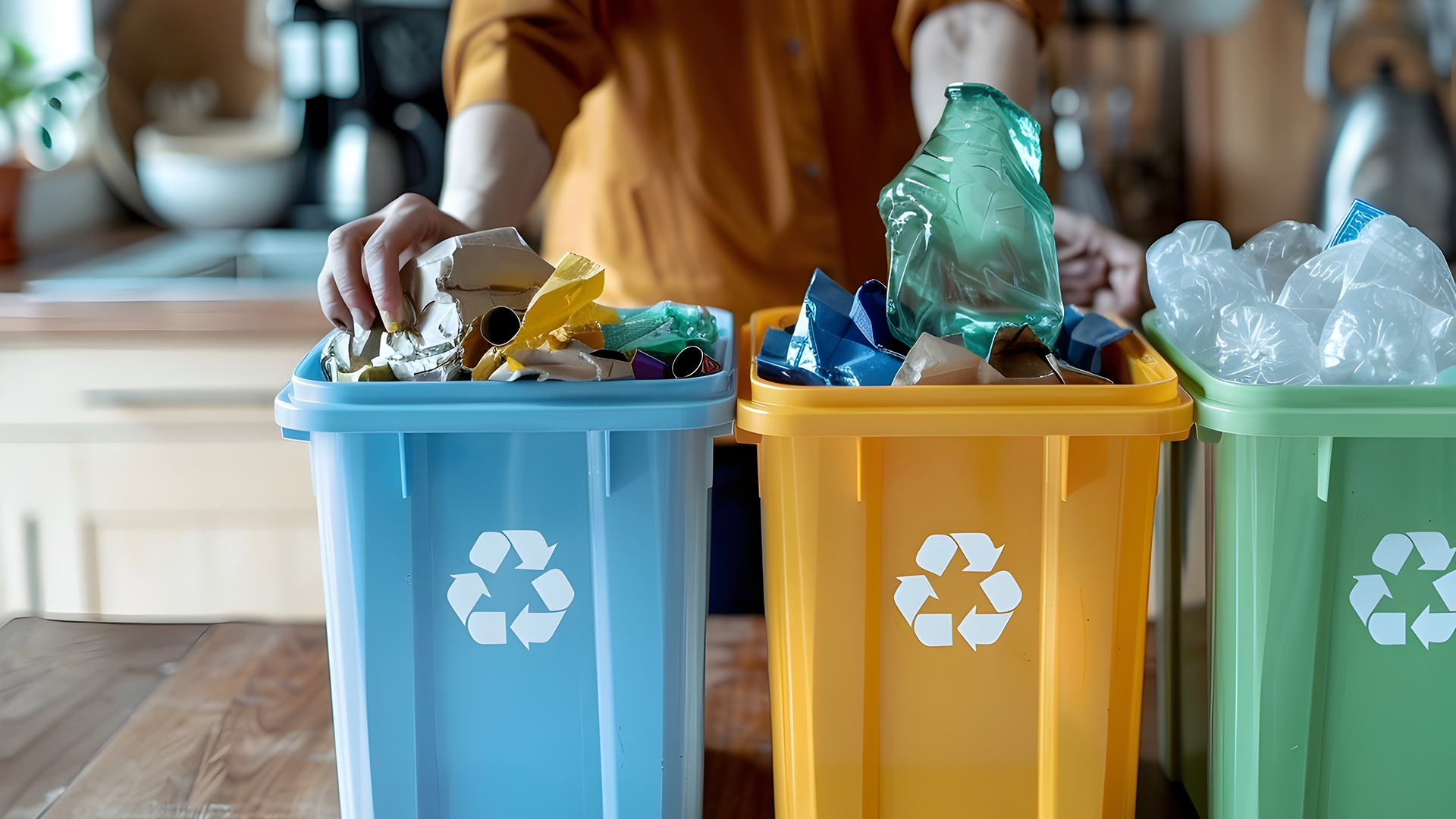
Separate waste collection
The collection calendars for each area specify not only the days on which different types of waste are collected, but also the time slots during which waste may be disposed of. Respecting these times is not only a good practice but also a sign of respect for others and for public spaces. Correct disposal prevents our streets and pavements from being cluttered with waste outside scheduled collection times and stops it from remaining there too long, which can create serious hygiene and public decorum issues.
The correct use of the containers and materials provided serves the same purpose, while also making it easier for operators to collect and identify the waste being disposed of. The bags supplied by the service provider are colour-coded by waste type and semi-transparent, allowing their contents to be verified.
Below is a brief guide on how to use the different containers and bags for each type of waste, along with the main rules for correct disposal.
Types of waste
Plastic and aluminium
This category includes all plastic and aluminium packaging, which must be disposed of empty and, where possible, reduced in volume. Full cleaning is not required—just a quick rinse is enough. Packaging should be placed in the yellow bags provided by the service provider, securely closed, and set out according to the collection calendar. Collection takes place once a week (for household users).
Paper and cardboard
This category includes cardboard packaging and plain paper. Items must be flattened or reduced in volume and placed in the BLUE container (street, shared or individual) without using a bag. If a blue container is not available, temporary disposal in paper bags or other cardboard boxes is permitted. Plastic bags and biodegradable bags are NOT allowed. Collection takes place once a week (for household users).
Organic waste
Organic waste includes leftovers from canteens and kitchens, and more generally from food preparation or consumption (the so-called “wet” waste). It must be disposed of in biodegradable/compostable bags provided by the service provider and placed in the BROWN container (street, shared or individual). Compostable bags provided by supermarkets are also permitted, while the use of plastic bags is strictly prohibited. Collection takes place three times a week (for household users).
Glass
This category includes all glass beverage bottles and any other glass items used as containers. Glass must be disposed of empty, even if not rinsed, directly into the GREEN container (street, shared or individual) without using any bags. Plastic bags and biodegradable bags are NOT allowed. Collection is mainly street-based and does not follow a specific schedule, except in Zone 2 where it takes place once a week (for household users).
Residual waste
Anything that does not fall into the above categories is considered residual waste (also known as dry waste). Provided it is of limited size, it must be disposed of in the grey bag supplied by the service provider. The bag must be securely closed, must not exceed the weight limit, and must be set out according to the collection calendar. Collection takes place once a week (for household users). Bulky items, household appliances, batteries, medicines, paints and, more generally, special and/or hazardous waste are not included in this category and must be taken to collection centres or disposed of through other dedicated procedures.
Nappies
Nappies, sanitary textiles and incontinence pads/underpads must be placed in the grey bags provided by the service provider for residual waste collection, if you wish them to be collected on the regular collection day. Alternatively, they may be placed in the blue bags provided by the service provider, but only on the day scheduled for the additional weekly collection, which requires prior registration by contacting the toll-free number. In all cases, bags must be securely closed and must not exceed the weight limit.
There is no recycling without quality.
And quality depends on us! Discover tips and best practices to recycle the right way.


